Access Required
This case study is protected due to confidentiality agreements and is intended only for professional viewing.
To request access, please email toddcmccauley@gmail.com – I usually respond within 60min unless I’m asleep.
Lowe's Enterprise | Backroom | Released
SOS Printed Labels
The Landscape
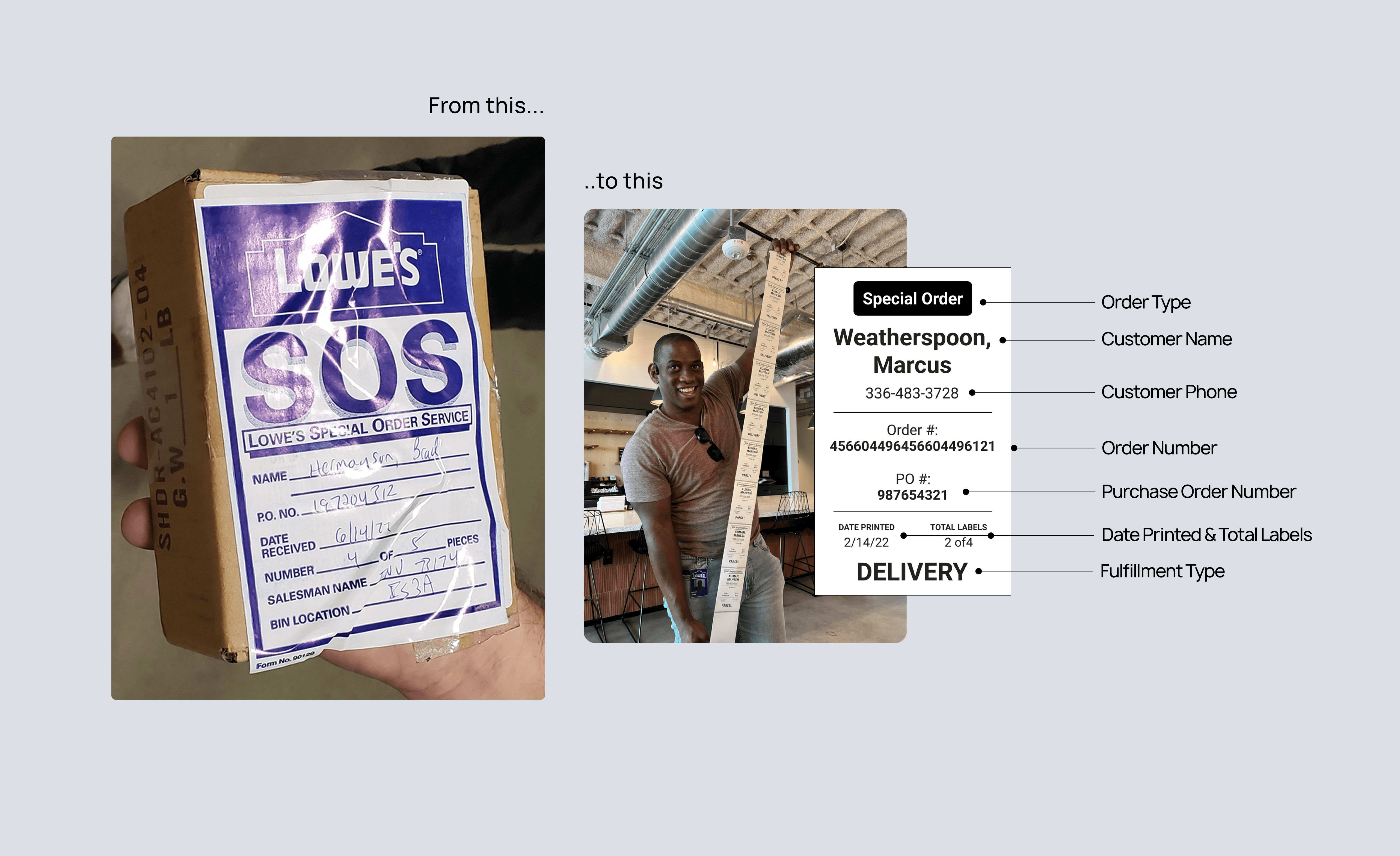
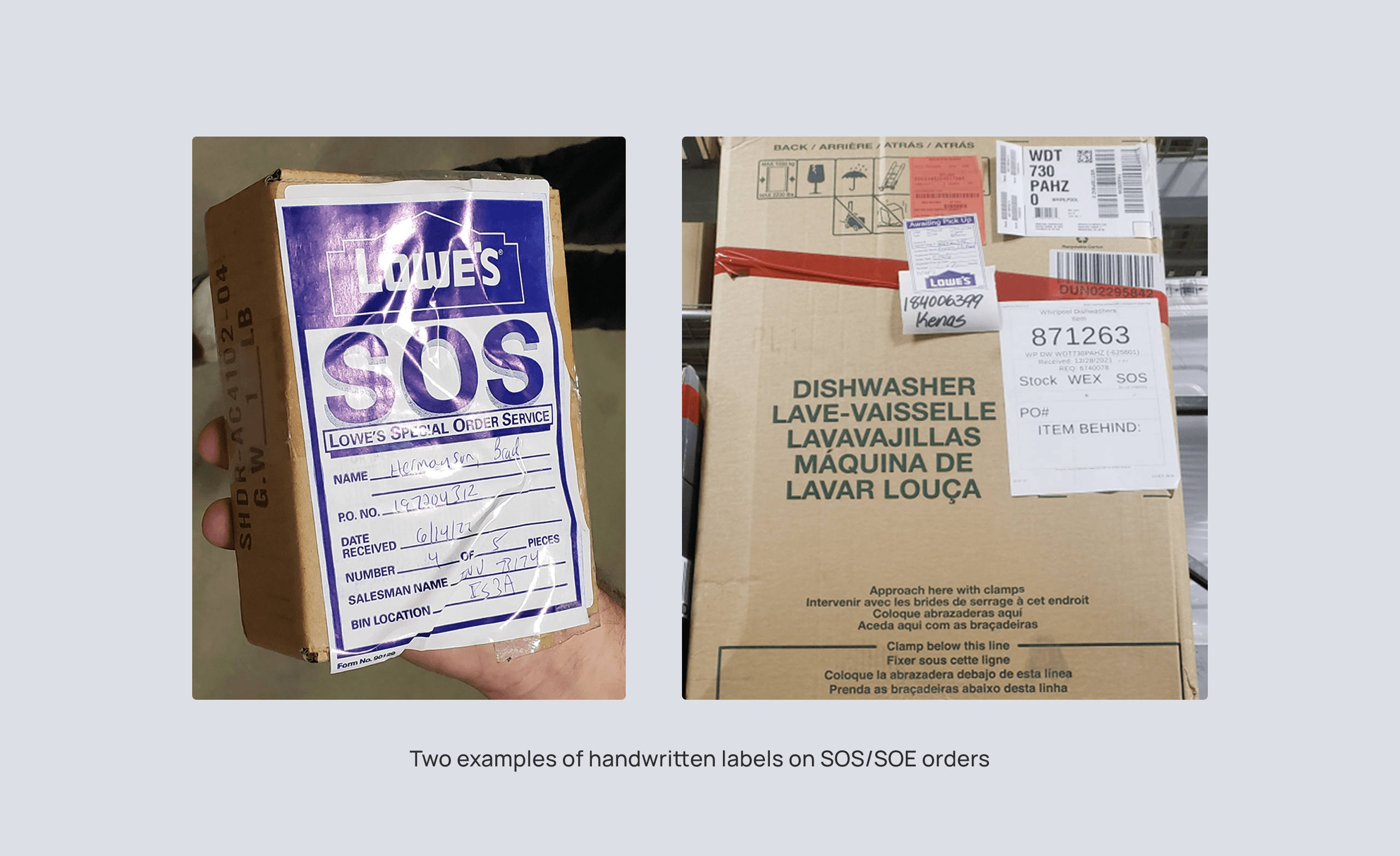
When receiving SOS and SOE orders, Lowe’s associates were handwriting labels by hand and sticking them to product. It cost our business over 30,000 FTE hours per year.
The Solution?
We saw an opportunity to remove an entirely manual step from the process.
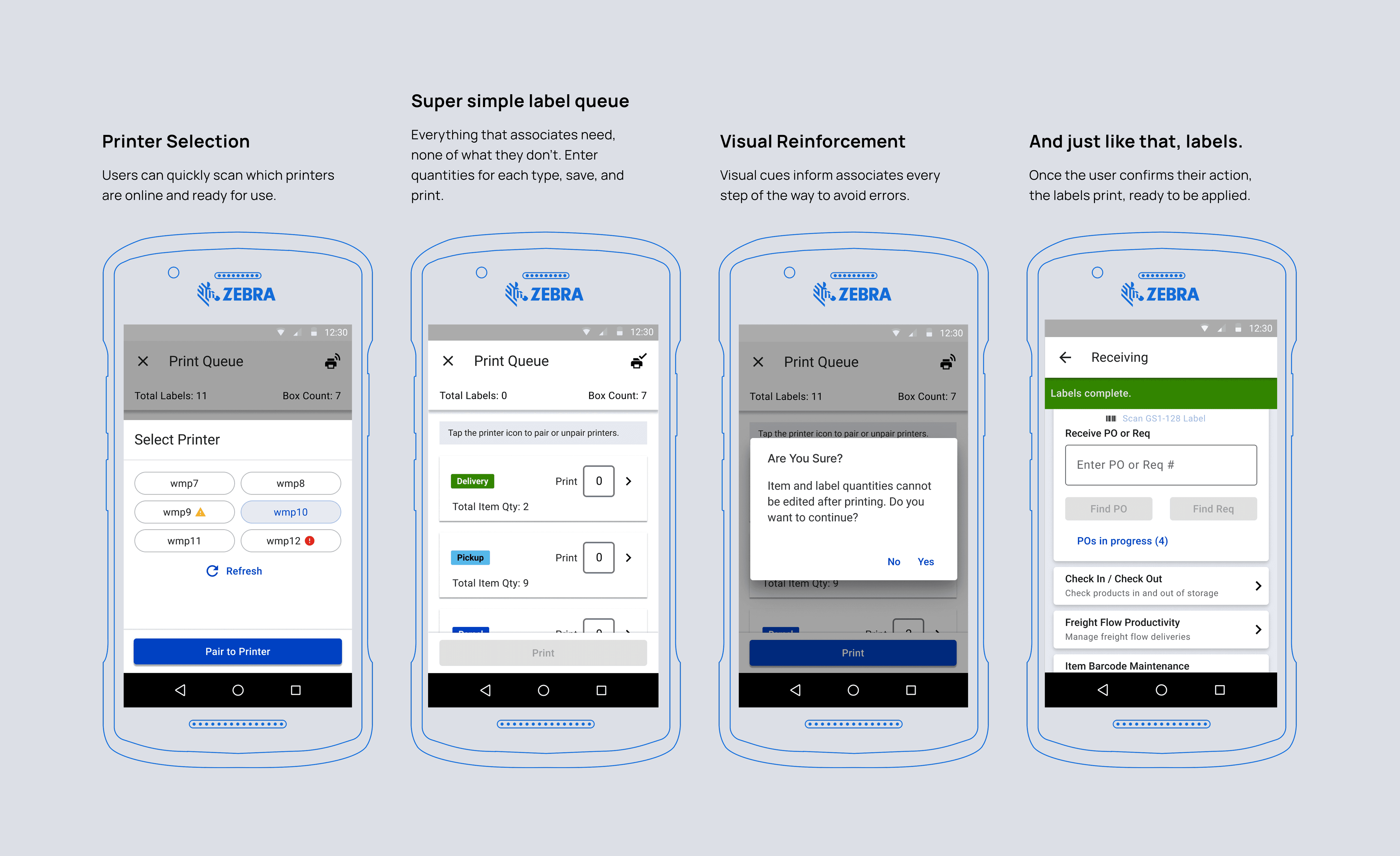
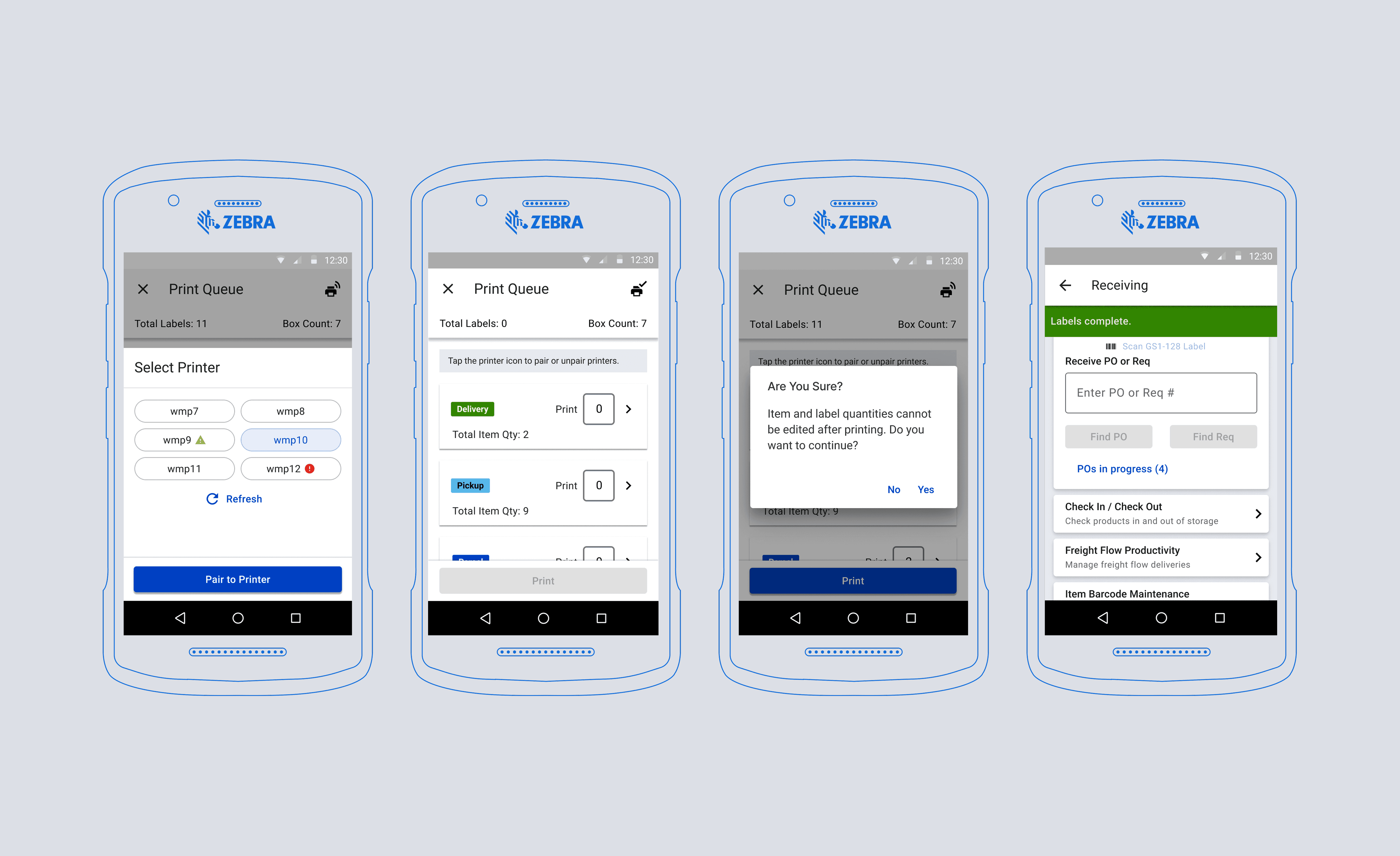
Print Labels seamlessly integrated label printing directly into the existing mobile receiving flow. The result was immediate and measurable: pure mobile PO closing jumped from 55% across the chain to 88% during pilot, ultimately stabilizing at ~73% cross-chain after rollout.
What we delivered:
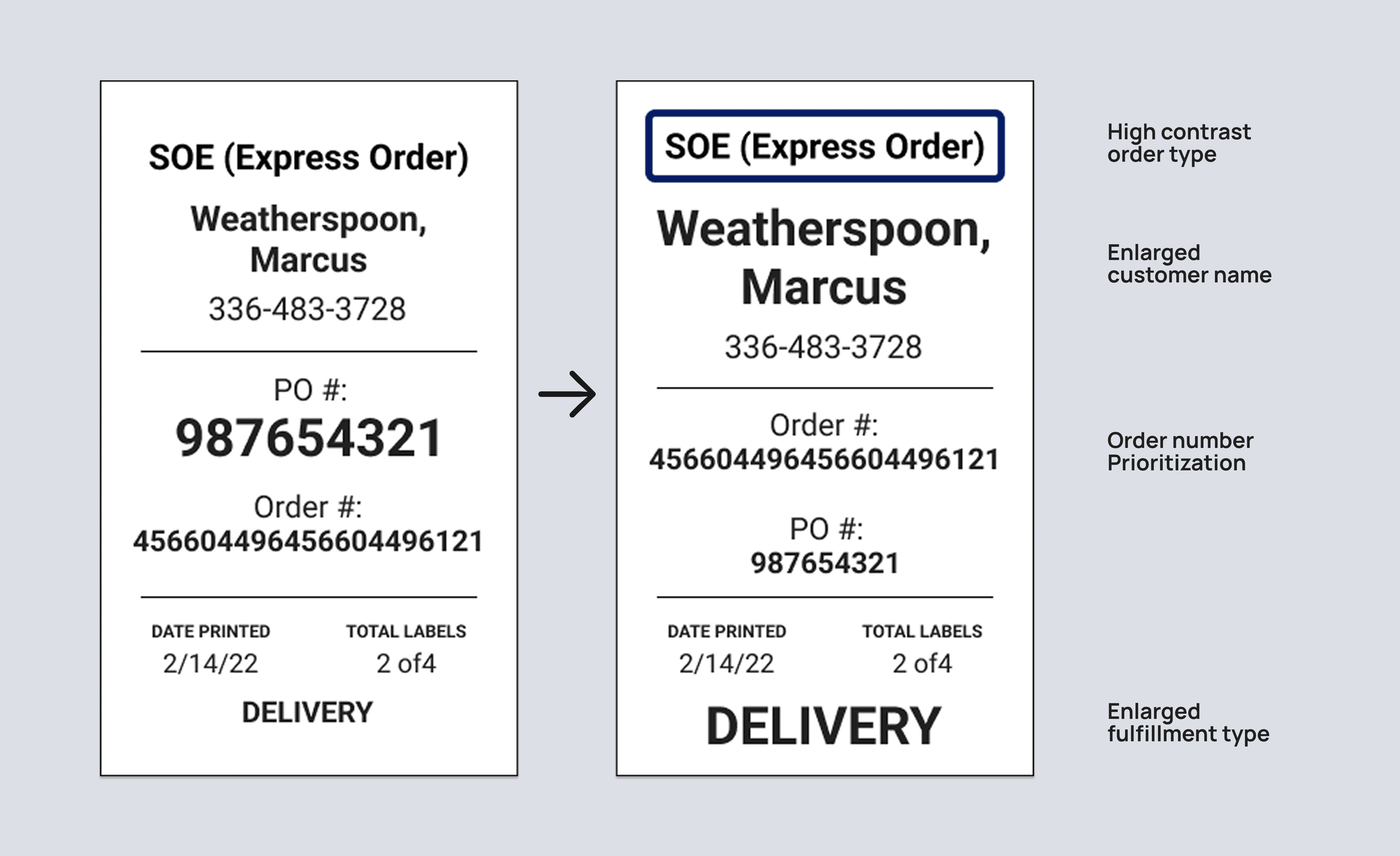
A redesigned SOS/SOE label optimized for backroom workflows
Automatic printing with a standardized, repeatable process
A tedious handwritten task replaced by a fast, mobile-first experience
Discovery
We started on the floor, literally and metaphorically, interviewing backroom associates about how labeling actually worked day to day.
The feedback was pretty consistent:
1) Handwritten labels were very hard to read at times.
2) Label size didn't match how products were handled or staged.
3) Writing labels burned time and broke workflow.
4) Inconsistent data made sorting and fulfillment harder than it needed to be
The problem wasn’t just printing… it was what we were printing and how it fit into the existing workflow. That insight pushed us to rethink both the experience and the label itself.
Design Process
After early alignment, we designed a mobile printing flow and a V1 label concept, then tested it live in five stores. We worked directly with supervisors and clerks, running A/B tests between printed and handwritten labels.
The biggest learning came fast:
We assumed the PO number was the most critical piece of information. Associates told us otherwise. What they look for first is customer name, fulfillment method, and order type, that’s what helps them move quickly.
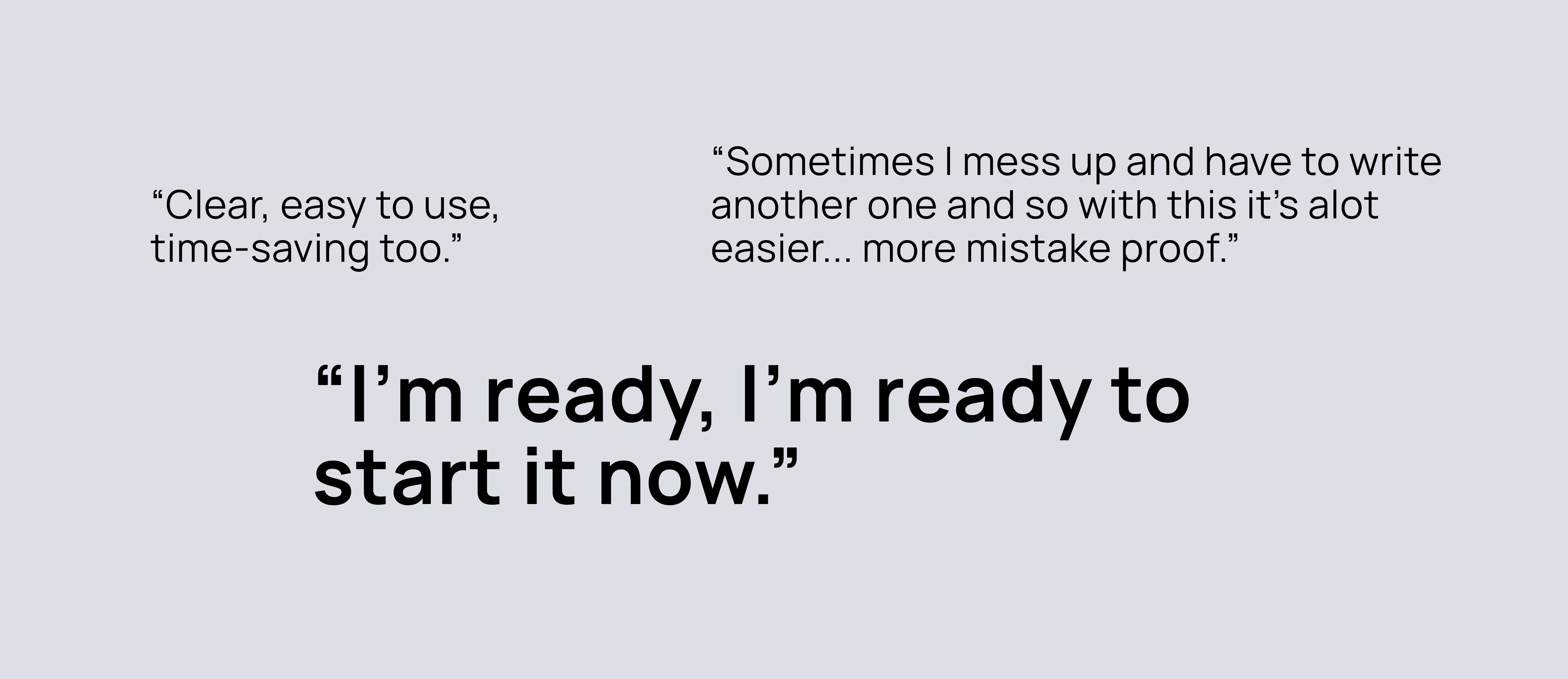
We iterated immediately, shipping a v2 label that reflected real-world priorities. The impact was clear: the updated designs earned a 6.25 / 7 composite ease-of-use score and significantly reduced hesitation and rework on the floor.